teamLab: Life Survives by the Power of Life | teamLab
メイン画像
teamLab: Life Survives by the Power of Life
PAST EXHIBITION
Sep 30 - Oct 31, 2021Pace Gallery, East Hampton, New York
メイン画像
teamLab: Life Survives by the Power of Life
PAST EXHIBITION
Sep 30 - Oct 31, 2021Pace Gallery, East Hampton, New York

Artworks

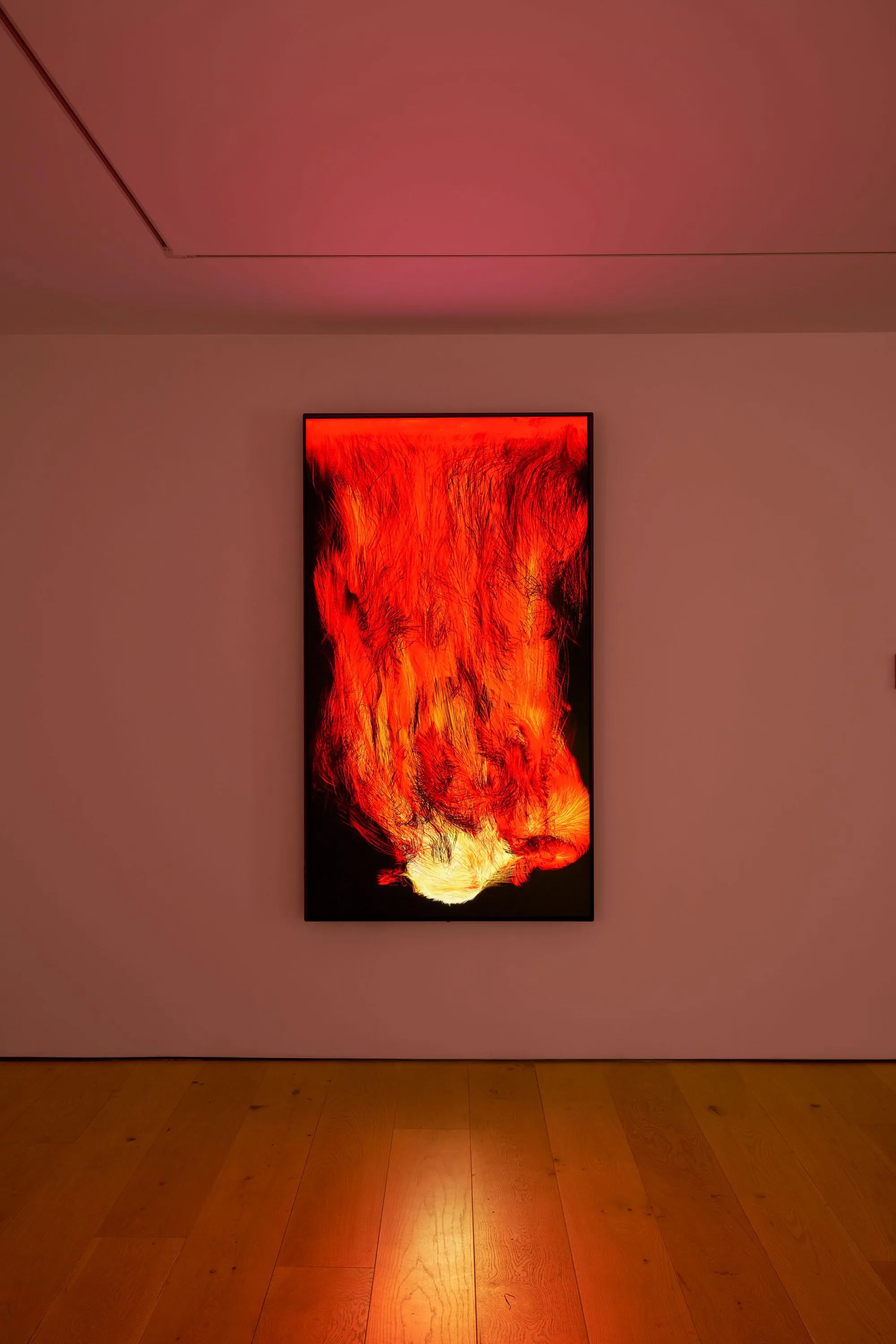
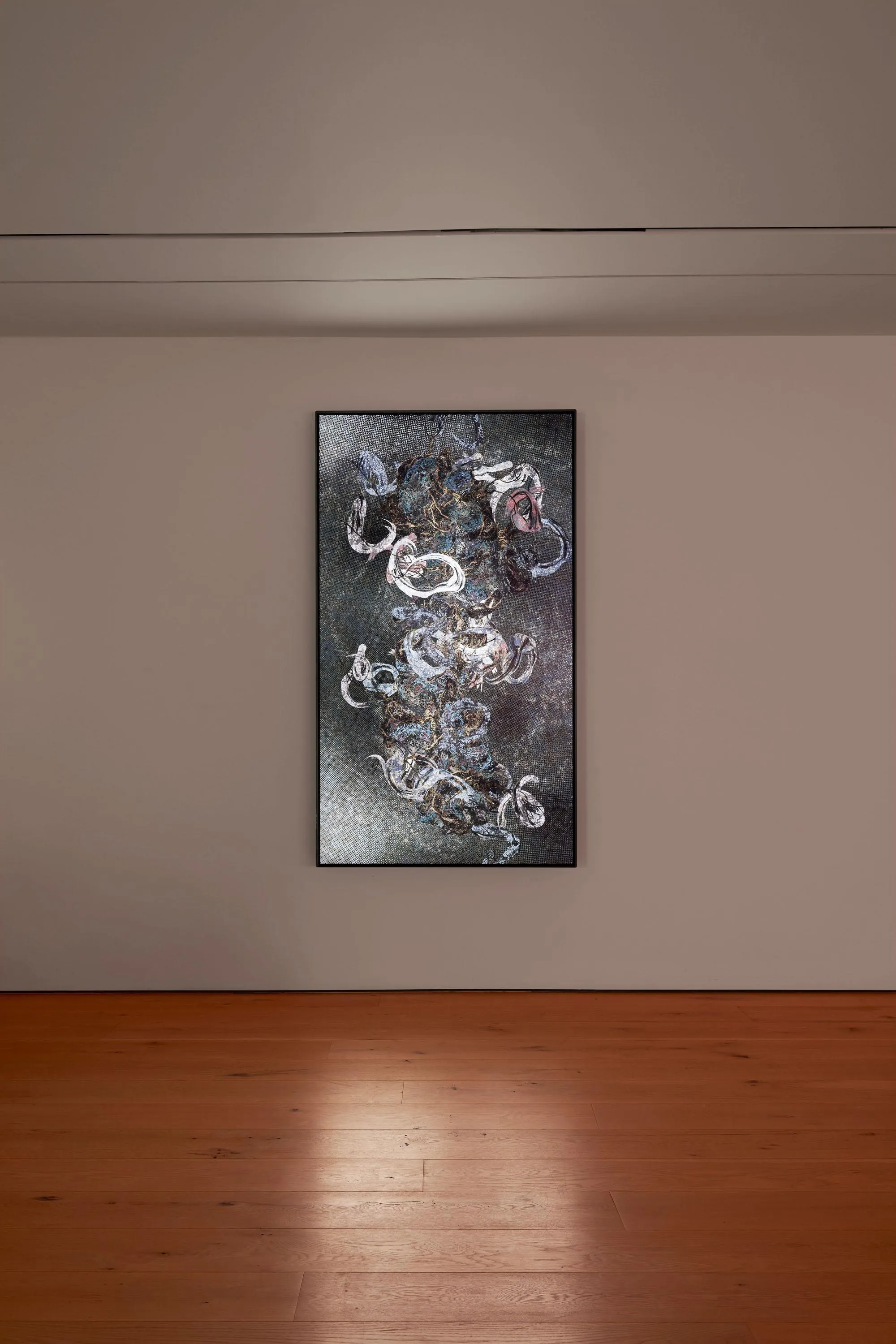
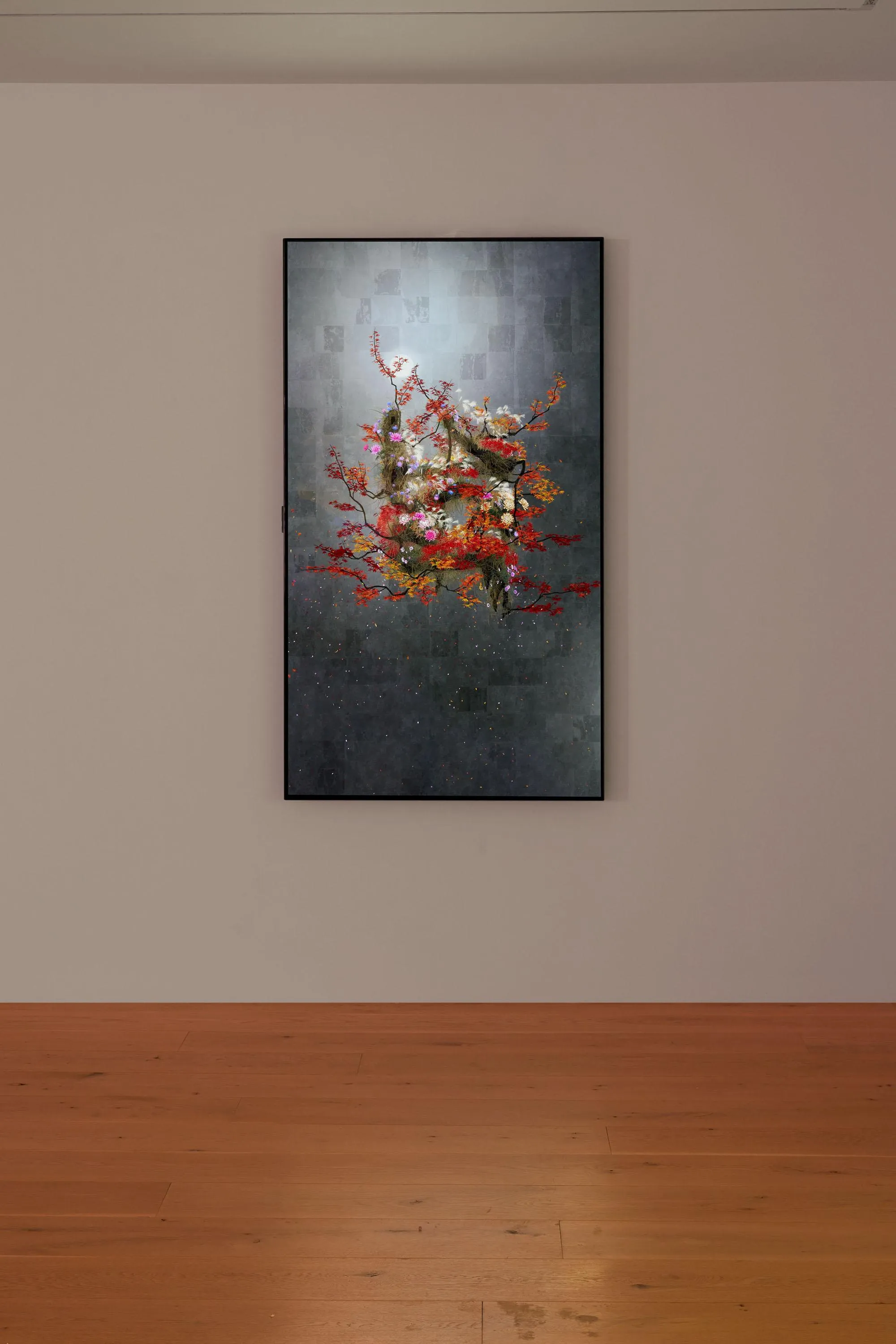
Life Survives by the Power of Life II

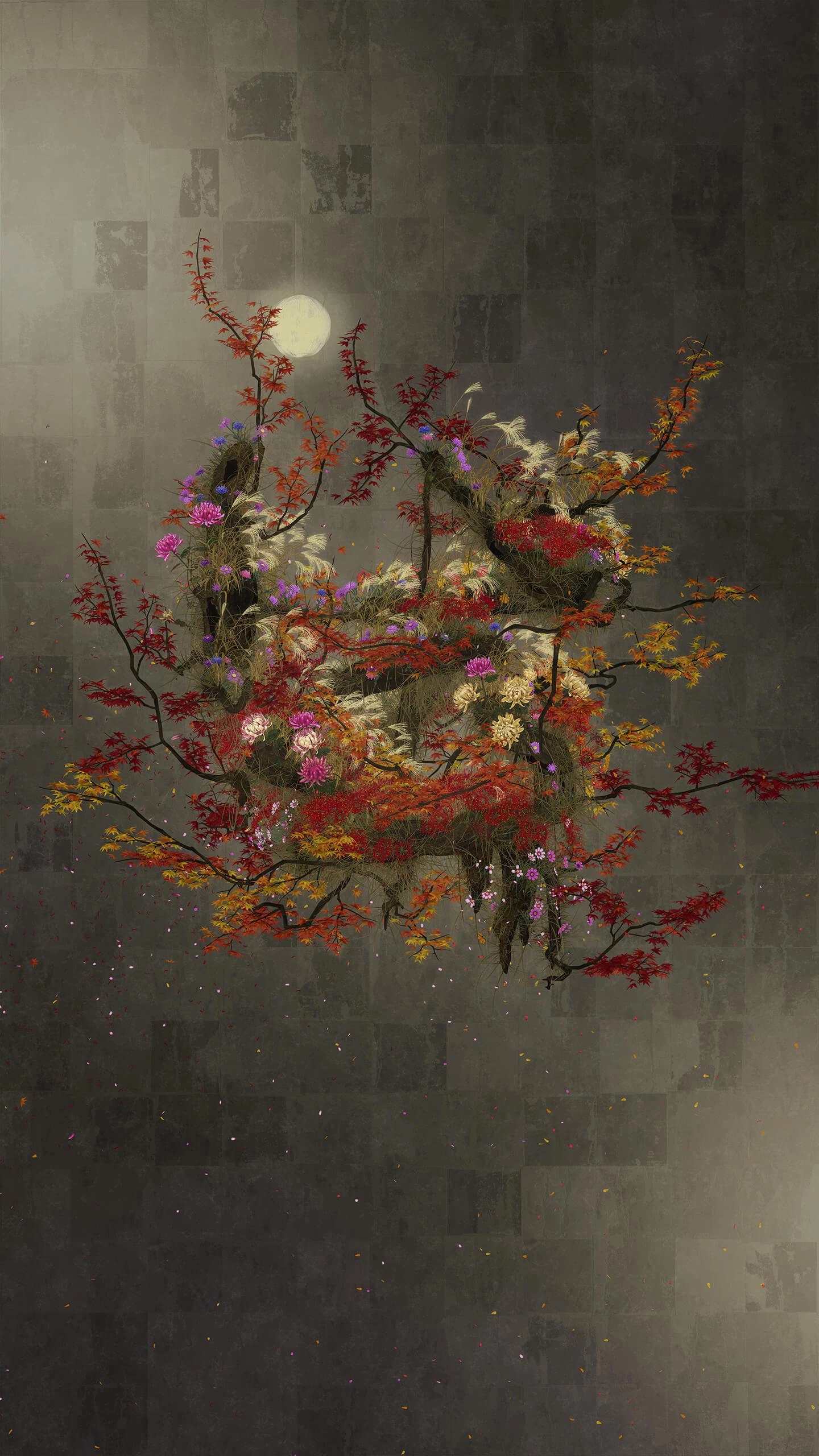
Life Survives by the Power of Life was released in 2011, the year of the Great East Japan Earthquake, where an earthquake, tsunami, and nuclear power plant accident overlapped. We have continued to create this artwork since its release in 2011, and over the course of 10 years, it has developed into a new artwork in which the transition of flowers and plants throughout a whole year repeats.
Self and the environment may appear to be two things, but in reality they are one and cannot be separated. The opposite of division may not be to integrate separate things, but to realize that what appears to be two were originally one.
The blessings and threats of nature, and the blessings and threats of civilization, are continuous and connected. There is no absolute malice anywhere, and yet not everything can be settled with just pleasant words. There is no easy solution, and our emotions are complex. Even so, we at teamLab want to affirm "Life" in all situations. Life is beautiful.
And life and death also appear to be two things, but in reality they cannot be separated. Within a long period of time, life has been supported by death, and death has supported new life, as life has been continuous.
In this artwork, the character "生" (sei), which means life and living, is drawn three-dimensionally in space. The brush strokes evoke traces of life, and on the brush strokes hundreds of flowers and plants are born, bloom, scatter, and change.
The artwork is drawn through Ultrasubjective Space, the picture plane does not become a boundary that separates the world of the artwork and the space where the viewer is. The artwork space transcends the picture plane and is continuous with the space in which the viewer's body exists. Viewpoints exist in infinite numbers, and no matter where you cut out the picture plane, the space is maintained. Because all of the details continue to change constantly, the viewer's gaze never stays fixed on a single point but moves around.
By moving their gaze, the viewer continually re-composes the world of the artwork as it changes over time, and builds pictorial space within themselves.

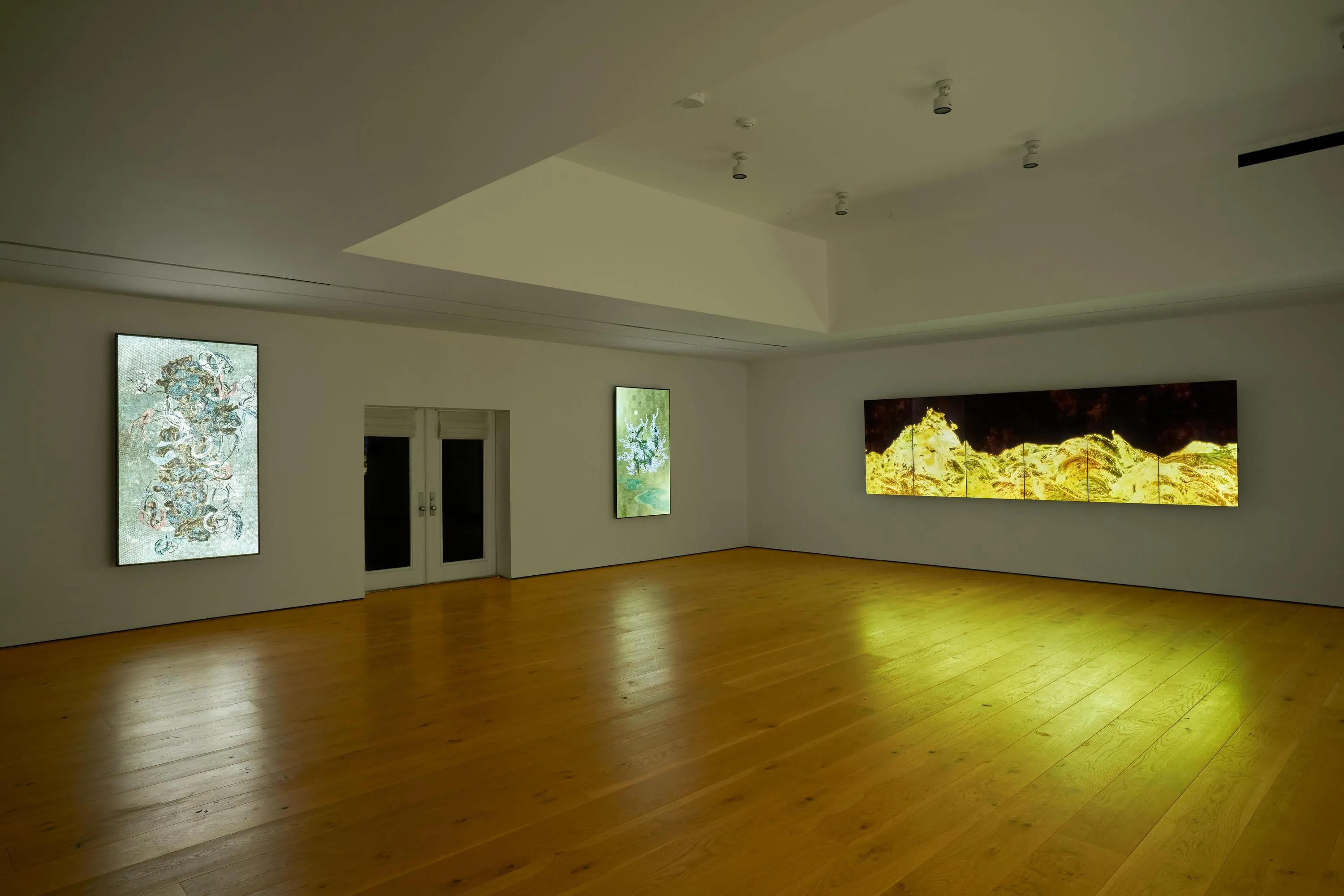
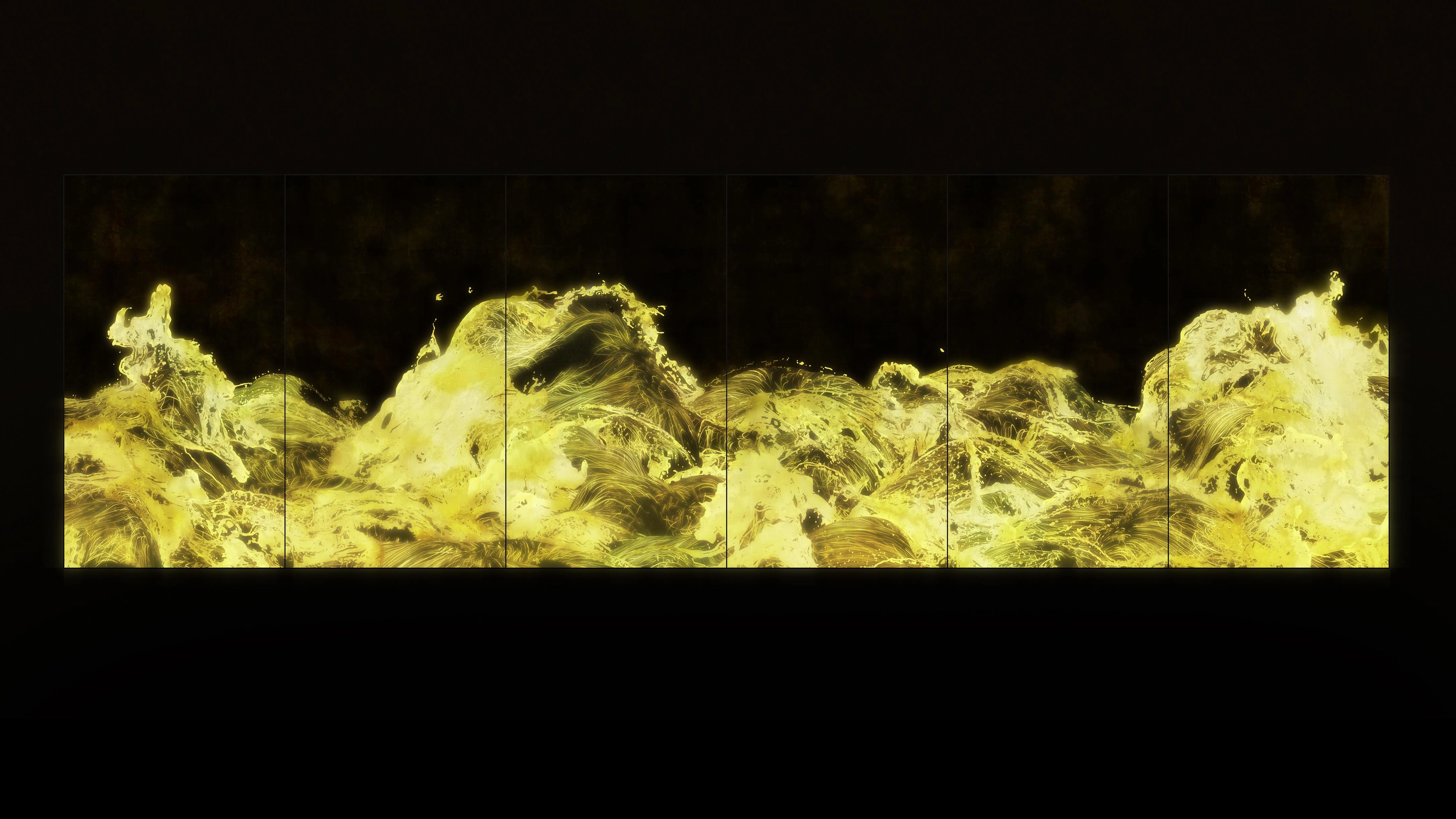
Gold Waves

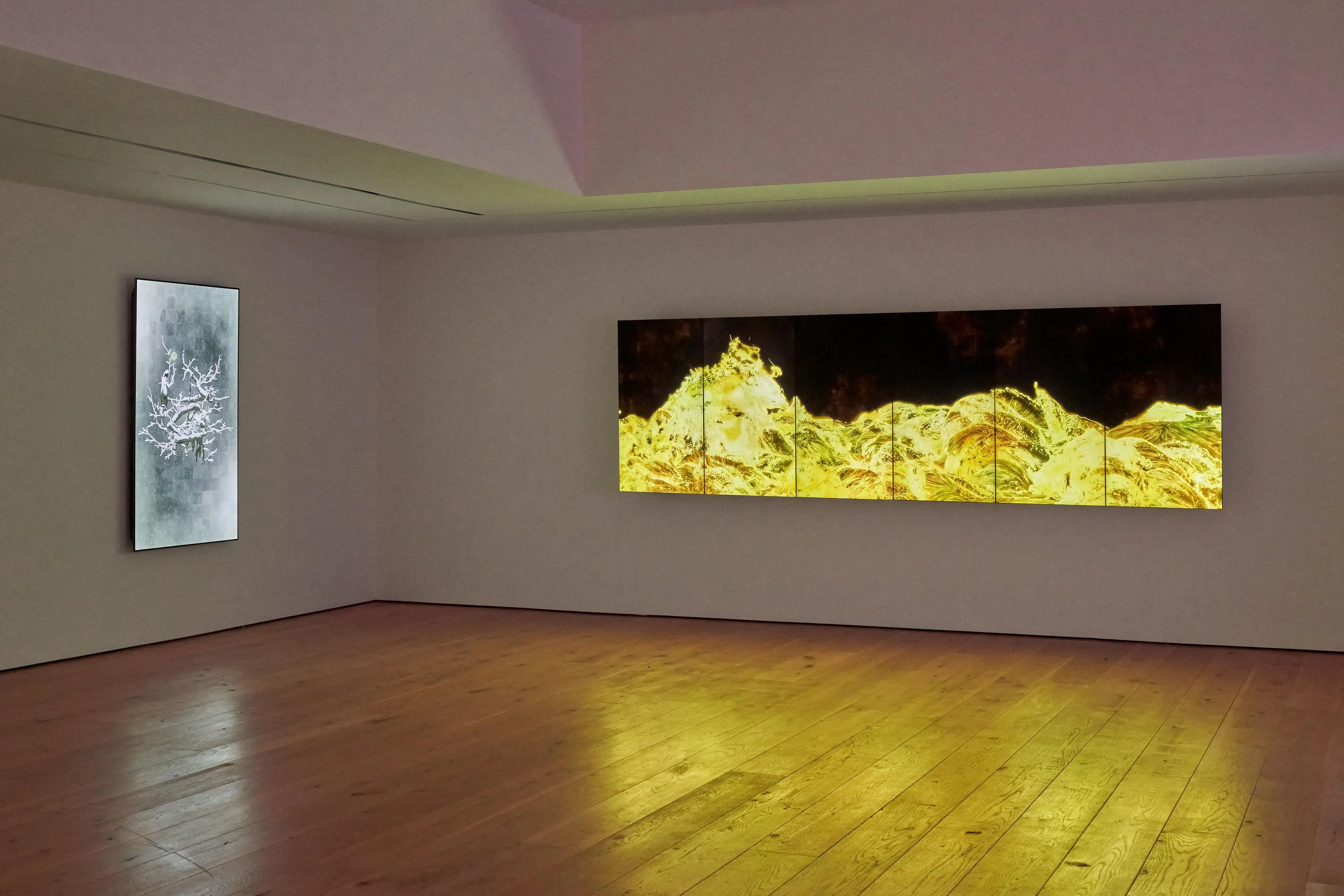
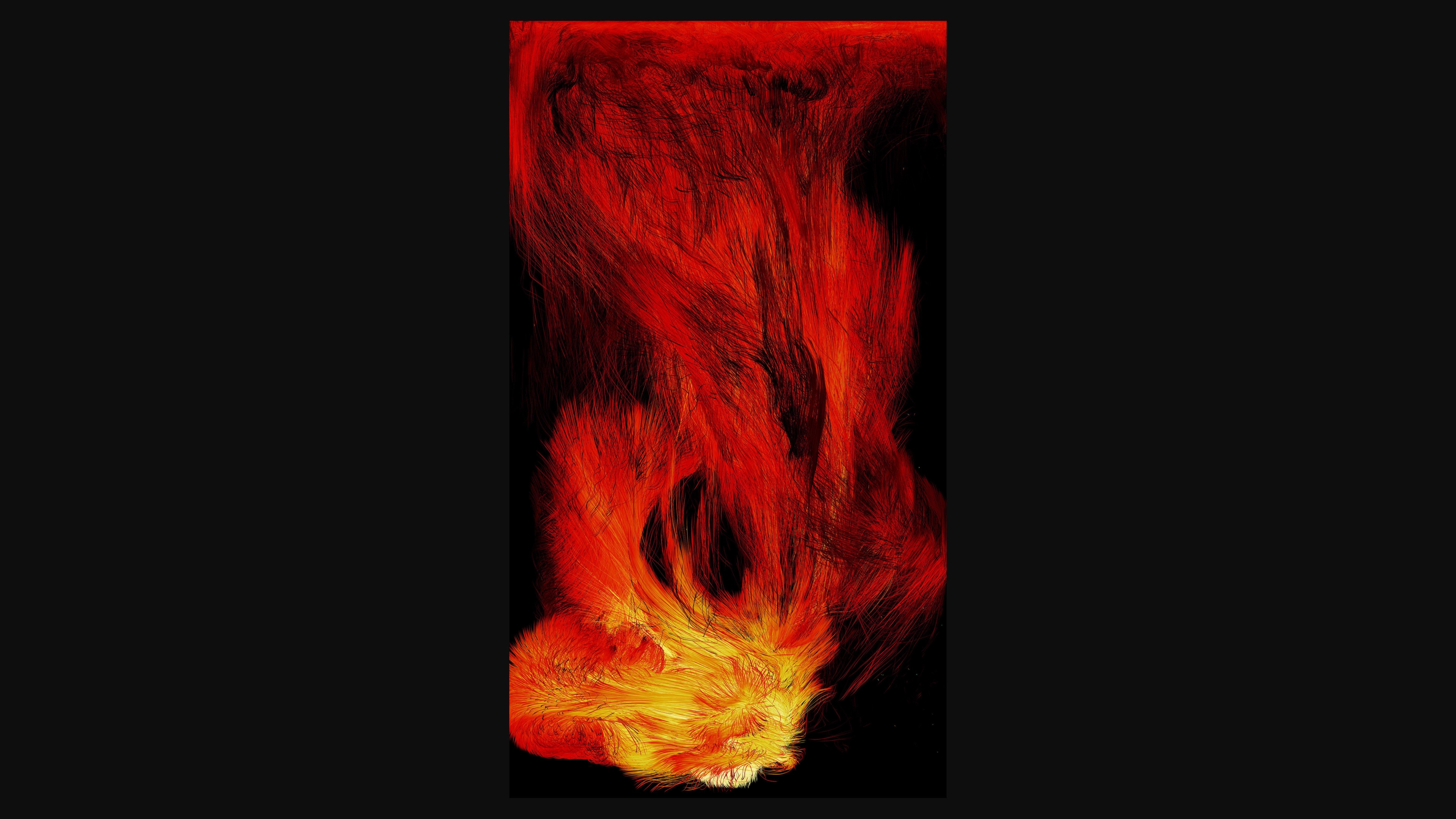
The movement of waves in water is simulated in a computer-generated three-dimensional space. The water is expressed as a continuous body after calculating the interactions of hundreds of thousands of particles. To visualize the waves, the behavior of the particles of the water was then extracted and lines were drawn in relation to the movement of the particles. The wave created in a 3-D space is then turned into an artwork in accordance with what teamLab refers to as ultrasubjective space.

In premodern Japanese painting, oceans, rivers, and other bodies of water were expressed as a series of lines. These lines give the impression of life, as though water was a living entity.  

This form of expression leads us to question why premodern people sensed life in rivers and oceans. Also, why did they behave as if they themselves were a part of nature? Perhaps something can be discovered by fusing the fixed objective world of today’s common knowledge with the subjective world of premodern people.

While viewing this artwork, if we feel a sense of life in the collection of lines—what can be called the subjective world of premodern people—then perhaps this is one aspect of objective recognition.

When viewing this artwork, as opposed to watching waves shot with a video camera, people may feel that the barrier between themselves and the waves disappears. They feel immersed in the work, perhaps even feeling life in the collection of lines, as if the waves are luring them in. Perhaps we can find a connection to the way premodern Japanese people perceived the world and consequently behaved toward the world.

If we regard ourselves as a part of nature, and consider nature not just as something to be observed, we might join premodern people in perceiving rivers and oceans as living entities. This is a way of seeing the world that lures us in and allows us to feel that there is no boundary between ourselves and nature.

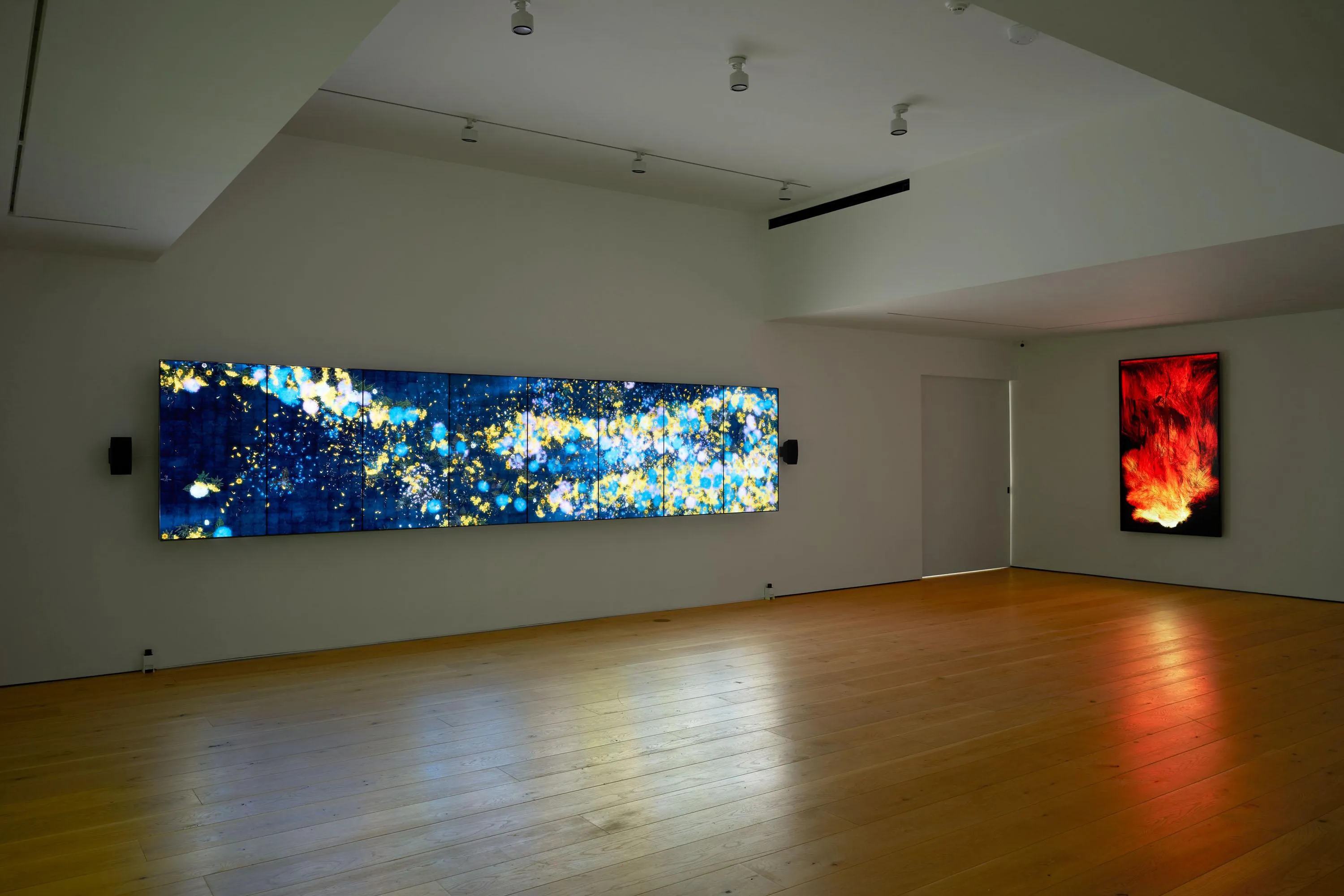
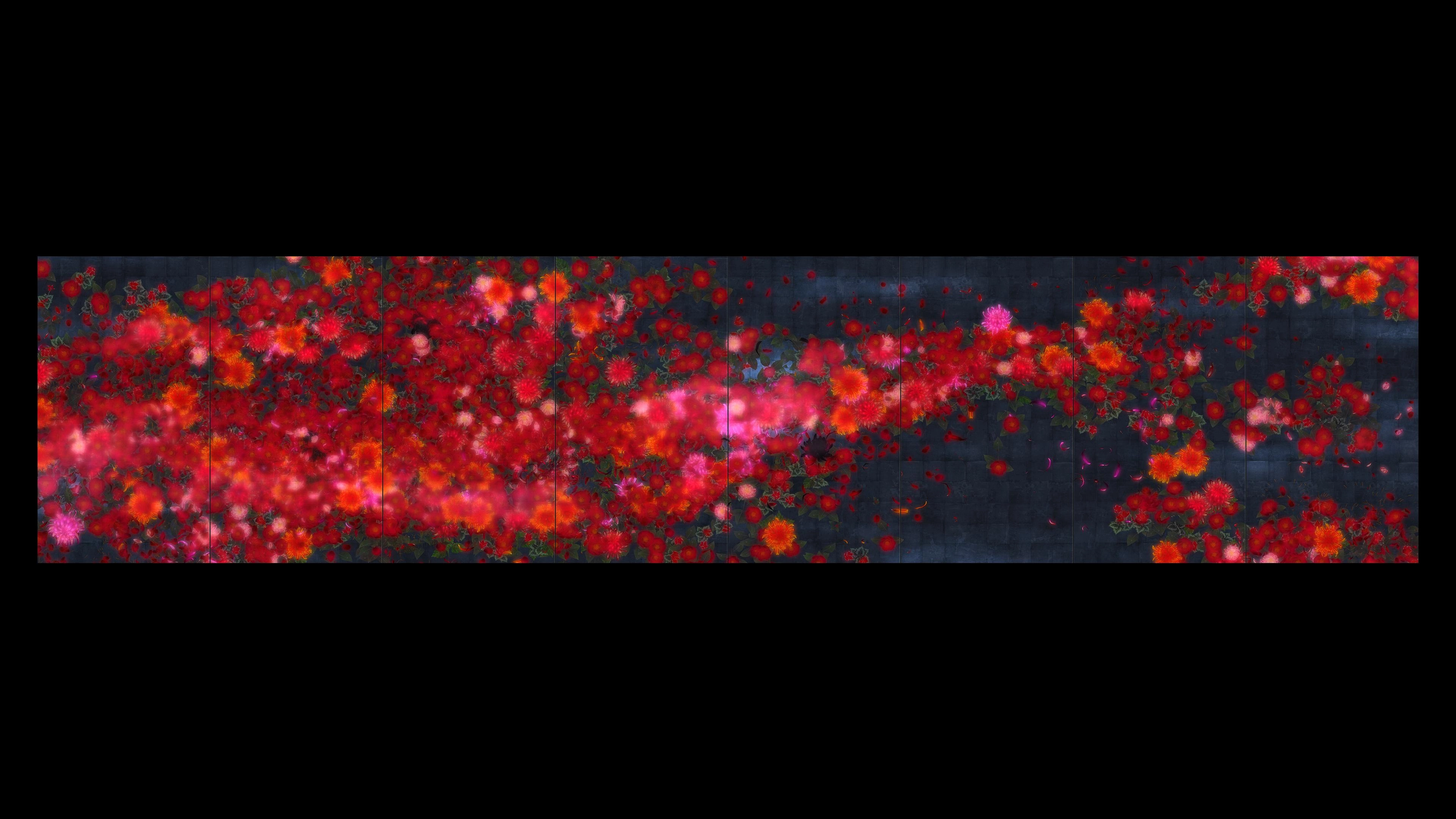
Flowers and People - A Whole Year per Hour

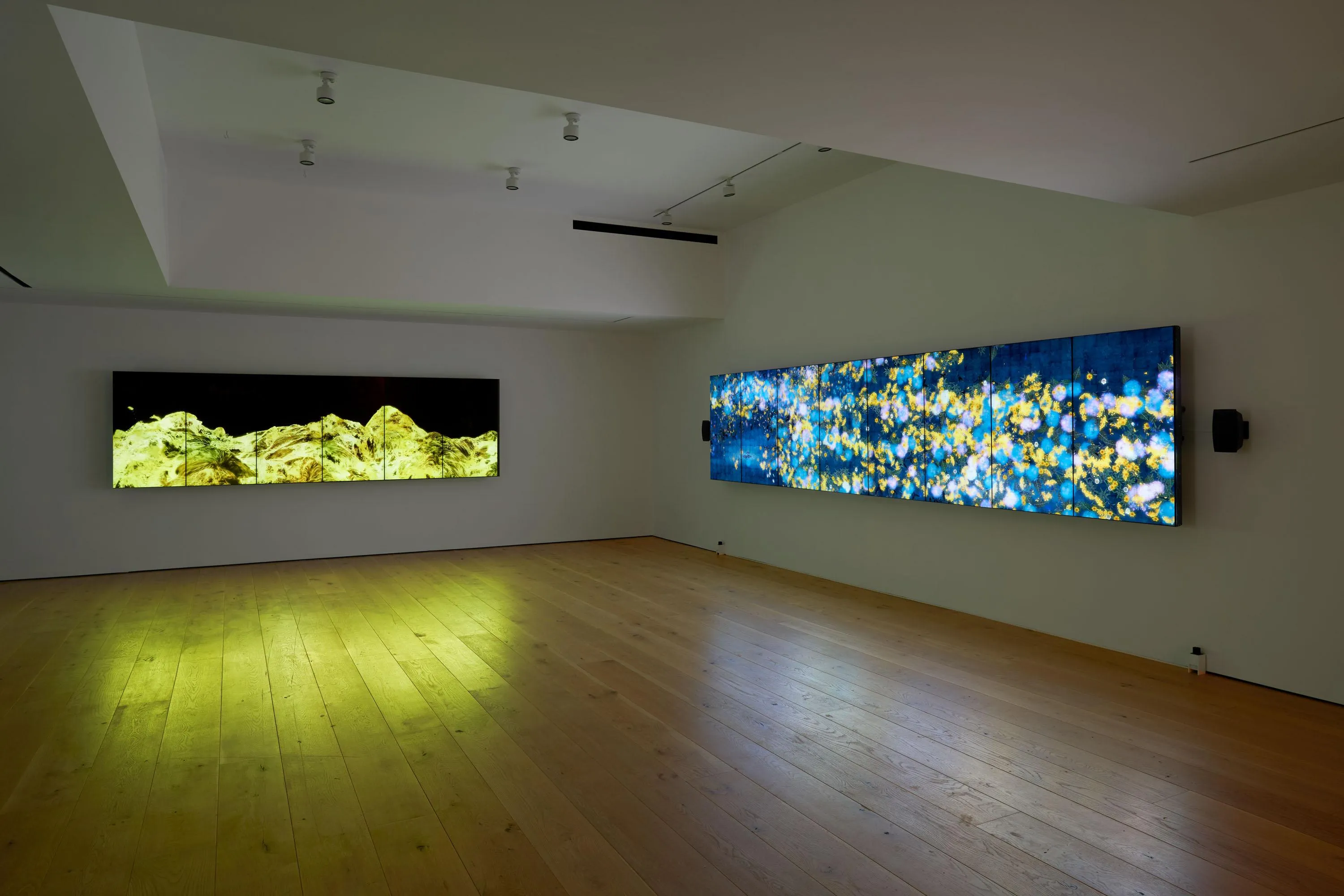
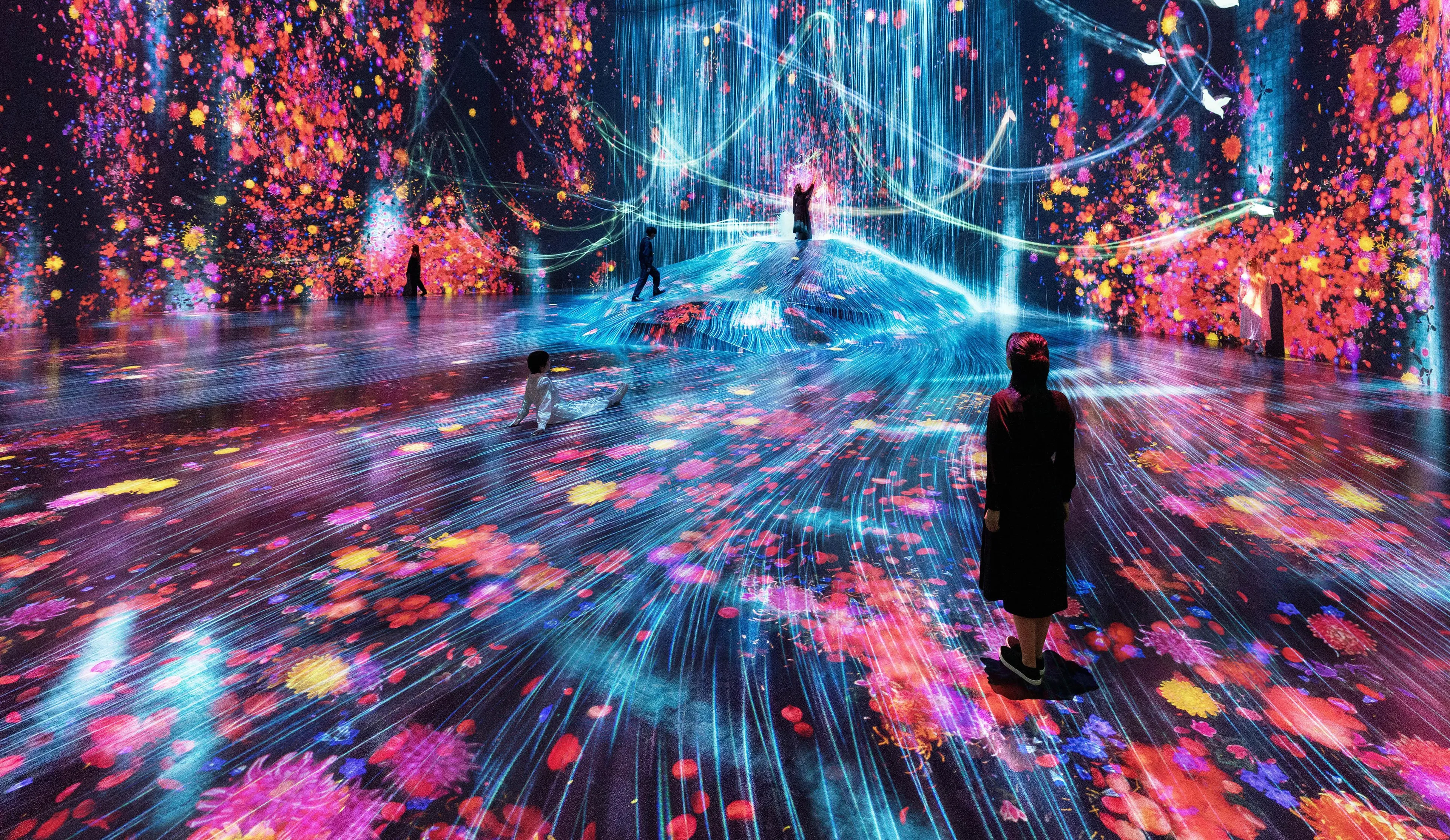
A year’s worth of seasonal flowers bloom over the course of an hour, continuously scattering and changing.

Flowers are born, bloom, then in the course of time, they wither and die. The flowers are eternally repeating the process of life and death. When people move in front of the artwork, the flowers scatter all at once. But when people stand still, flowers bloom and grow more abundantly.

The artwork is not a pre-recorded image that is played back: it is created by a computer program that continuously renders the work in real time. The interaction between people and the installation causes continuous change in the artwork: previous visual states can never be replicated, and will never reoccur. The picture at this moment can never be seen again.

In spring in the Kunisaki Peninsula, there are many cherry blossoms in the mountains and canola blossoms at their base. This experience of nature caused teamLab to wonder how many of these flowers were planted by people and how many were native to the environment. It is a place of great serenity and contentment, but the expansive body of flowers is an ecosystem influenced by human intervention, and the boundary between the work of nature and the work of humans is unclear. Rather than nature and humans being in conflict, a healthy ecosystem is one that includes people. In the past, people understood that they could not grasp nature in its entirety, and that it is not possible to control nature. People lived more closely aligned to the rules of nature that created a comfortable natural environment. We believe that these valleys hold faint traces of this premodern relationship with nature that once existed, and we hope to explore a form of human intervention based on the premise that nature cannot be controlled.
About teamLab
teamLab (f. 2001) is an international art collective. Their collaborative practice seeks to navigate the confluence of art, science, technology, and the natural world. Through art, the interdisciplinary group of specialists, including artists, programmers, engineers, CG animators, mathematicians, and architects, aims to explore the relationship between the self and the world, and new forms of perception. In order to understand the world around them, people separate it into independent entities with perceived boundaries between them. teamLab seeks to transcend these boundaries in our perceptions of the world, of the relationship between the self and the world, and of the continuity of time. Everything exists in a long, fragile yet miraculous, borderless continuity. teamLab’s works are in the permanent collection of the National Gallery of Victoria, Melbourne; Art Gallery of New South Wales, Sydney; Art Gallery of South Australia, Adelaide; National Gallery of Australia, Canberra; Amos Rex, Helsinki; Museum of Contemporary Art, Los Angeles; Asian Art Museum, San Francisco; Borusan Contemporary Art Collection, Istanbul; and Asia Society Museum, New York, among others. teamlab.art Biographical Documents

Venue Details

teamLab: Life Survives by the Power of Life

Term

Sep 30 - Oct 31, 2021

Hours

Tuesday - Saturday 11:00 - 18:00
Sunday 12:00 - 17:00

Closed

Mondays

Access

Address

Pace Gallery East Hampton
68 Park Pl Passage
East Hampton, NY

Contact Us

TEL

(+1) 212 421 3292
East Hampton Safety Measures
We look forward to welcoming you at our East Hampton gallery space. Be assured that the health and safety of our visitors remains our primary concern. In keeping with guidelines outlined by the CDC and local authorities, we will adhere to the following protocols for staff and visitors of our East Hampton gallery:
* Visitors to the gallery will be restricted to 10 at a time.
* Visitors and staff will be required to wear masks.
* Hand sanitizer will be available at the gallery desk and visitors to the space will be encouraged to use it upon entering.
* The gallery will undergo thorough cleaning on a daily basis, and employees will be required to complete and pass a Health Screening Questionnaire.
* These protocols will be revisited and revised as the COVID-19 situation evolves and local government guidelines are updated.