teamLab World: Dance! Art Museum, Learn & Play! Future Park | teamLab

メイン画像
ロゴ画像
ESPOSIZIONI PASSATE
2016.8.05(Fri) - 2017.8.31(Thu)Lotte World, Seoul
メイン画像
ロゴ画像
ESPOSIZIONI PASSATE
2016.8.05(Fri) - 2017.8.31(Thu)Lotte World, Seoul

teamLab’s 1700 m² huge exhibition to open in Seoul from August, 2016

‘teamLab World: Dance! Art Museum, Learn & Play! Future Park’, is a fantastic Art World and Future Park that have been created for adults and children by the art collective teamLab.

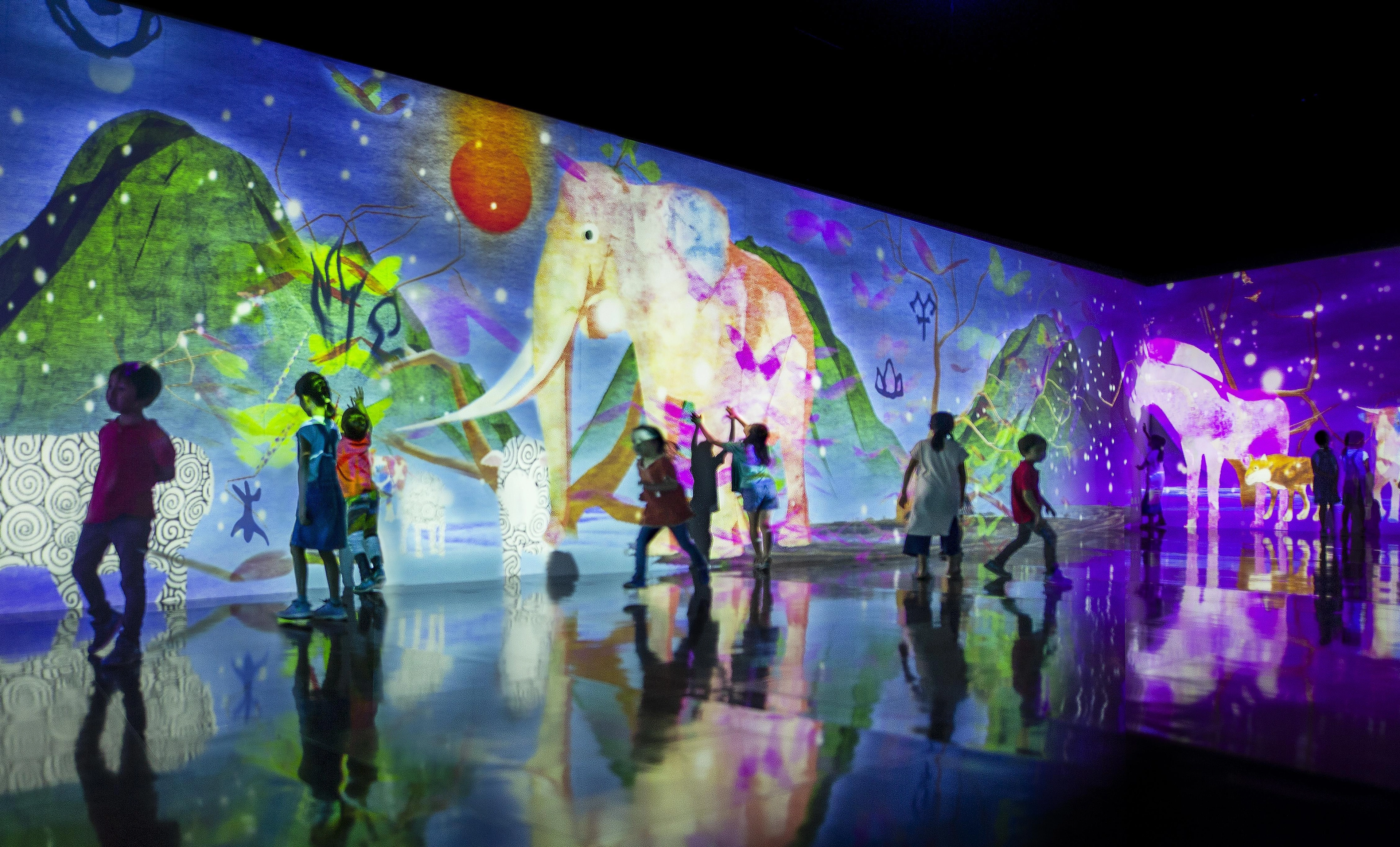
The Art World is a beautiful world in which you can immerse your whole body and participate in the Art. It also encourages participants to reflect on their own position relative to the world and other people.

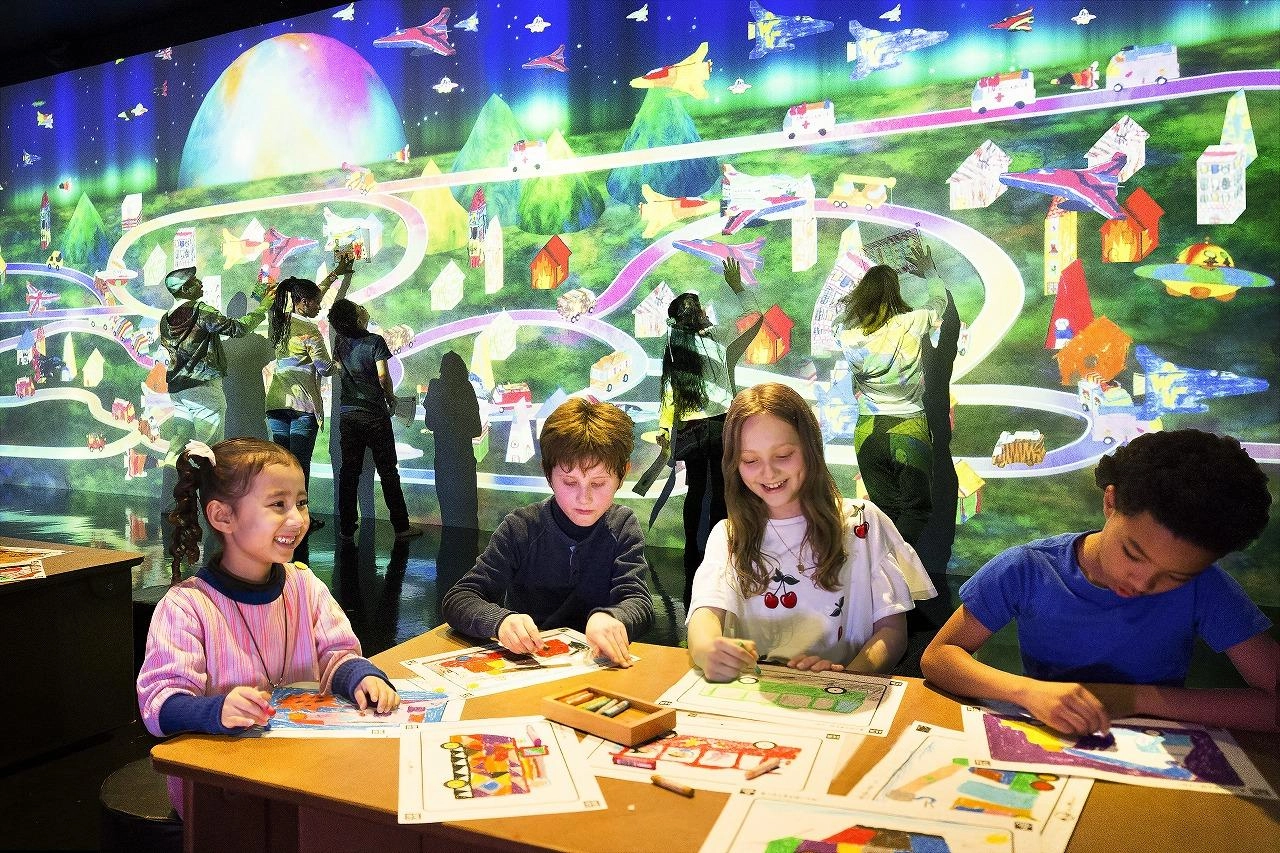
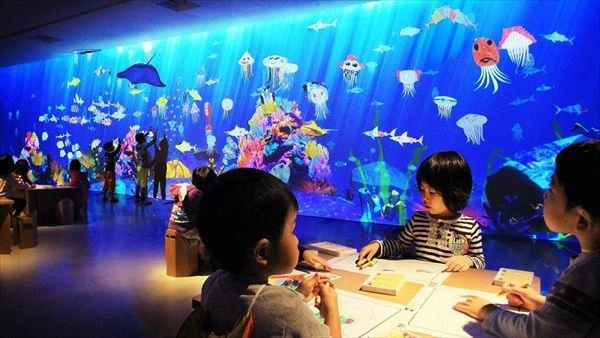
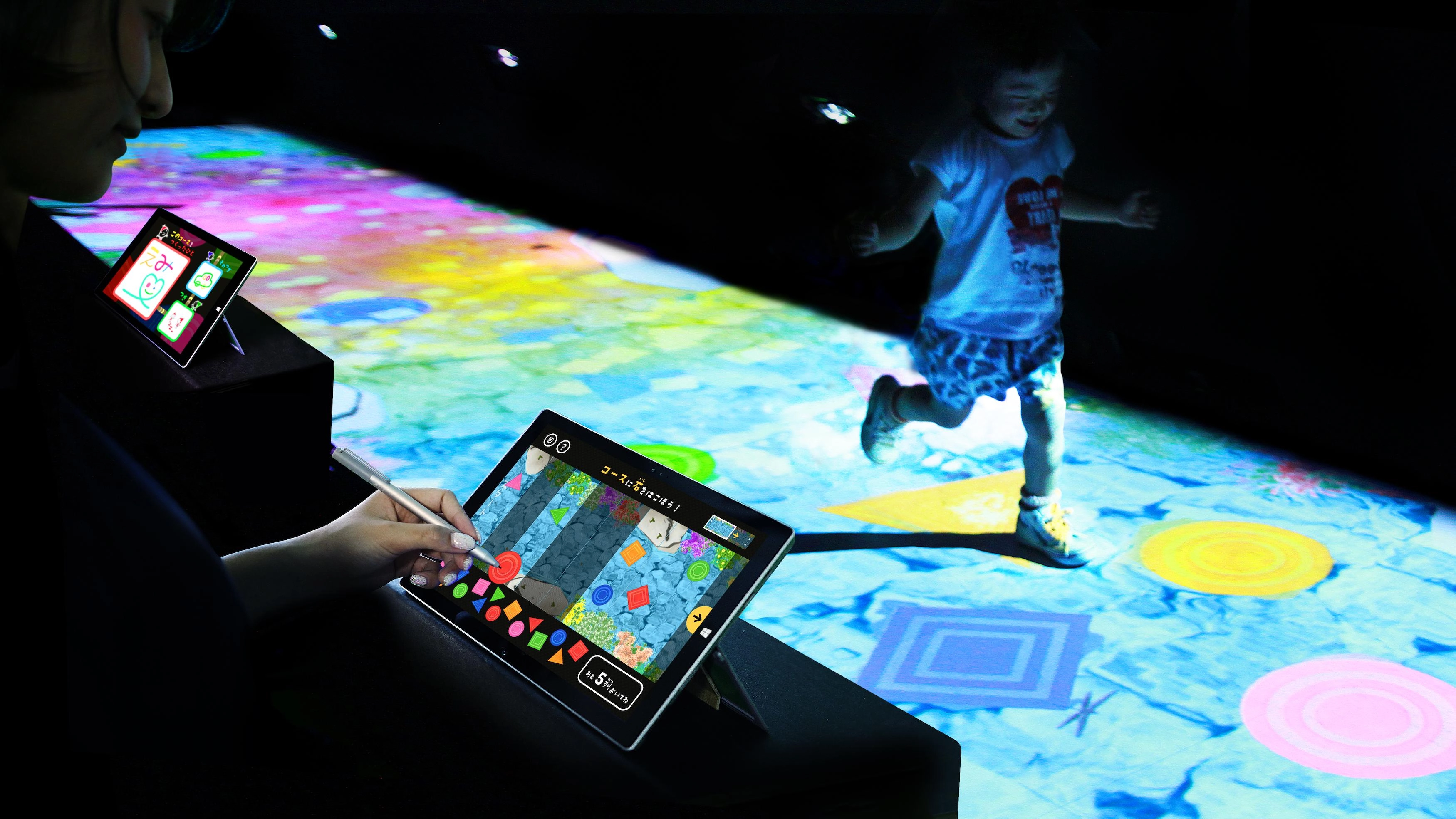
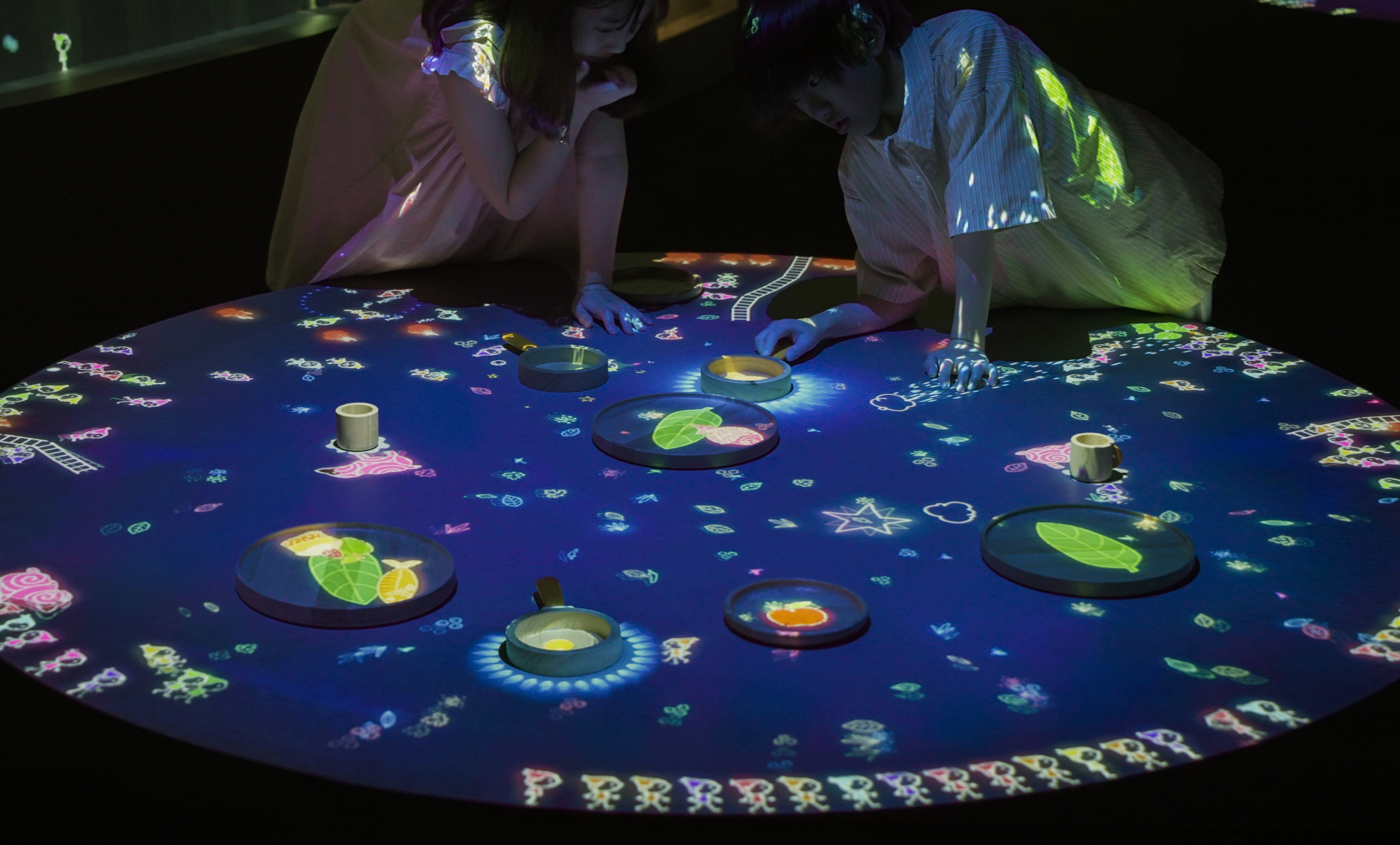
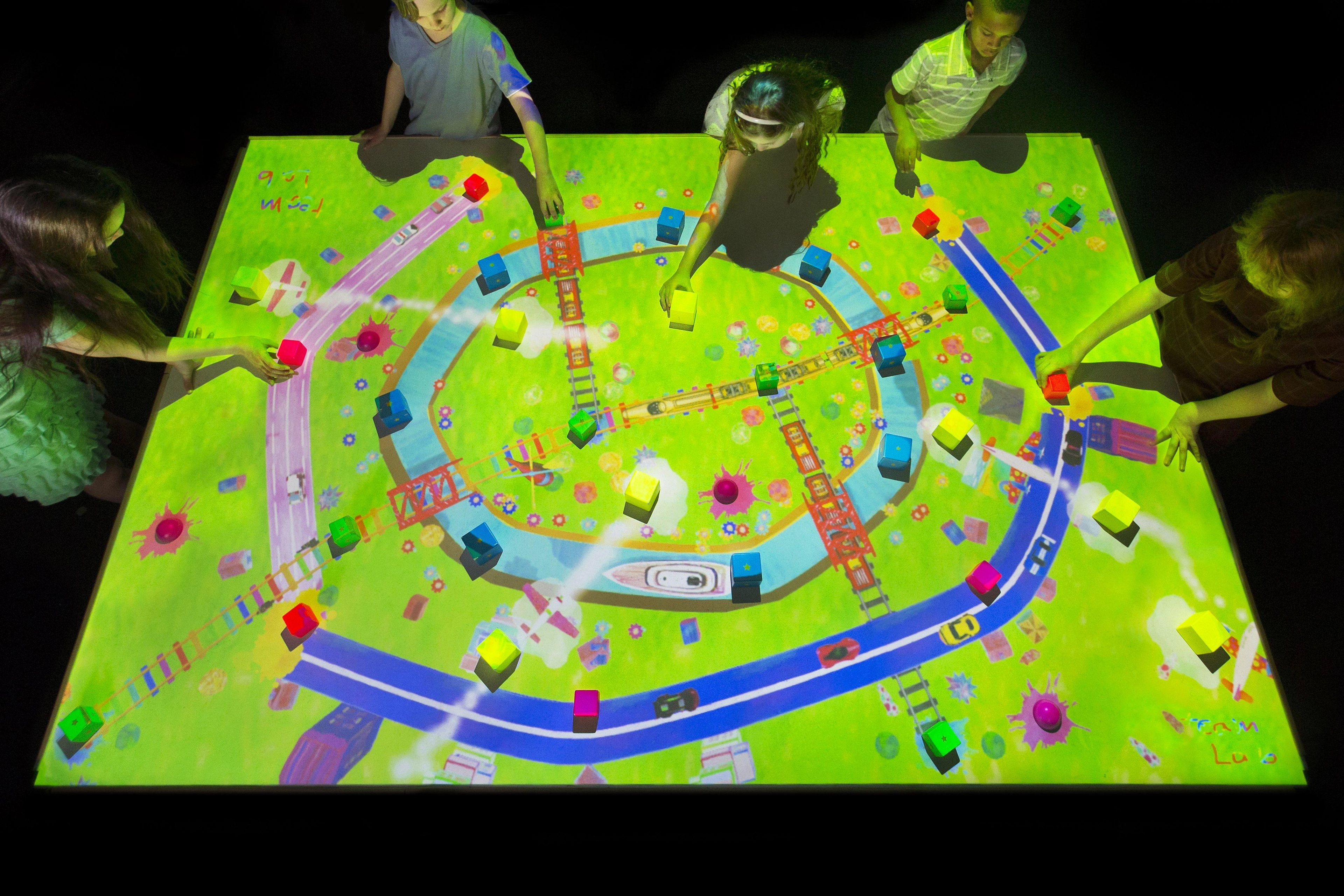
Future Park consists of Art Attractions that are an invitation to have fun, to play, explore and learn. The attractions encourage people through collaborative experience to become co-creative and to learn through their bodies.

As the artworks change with each interaction, each visit will be uniquely different. teamLab World will also grow and transform over time, with new art and Art Attractions adding richness to this stunning digital world.

‘teamLab World: Dance! Art Museum, Learn & Play! Future Park’ exhibition attracted more than 460,000 visitors when firstly opened in Tokyo in 2015. It was also awarded ‘TOP 10 art exhibitions of 2015‘ by ‘designboom’ *1.

‘Living Digital space’ is currently running in Silicon Valley, and was reported by the media to have destroyed the long-lasting anti-art tradition of the west coast *2.

Art Science Museum located in Marina Bay Sands in Singapore, is home to a permanent exhibition since March 2016.

*1... designboom
*2... The Guardian

Dance! Art Museum

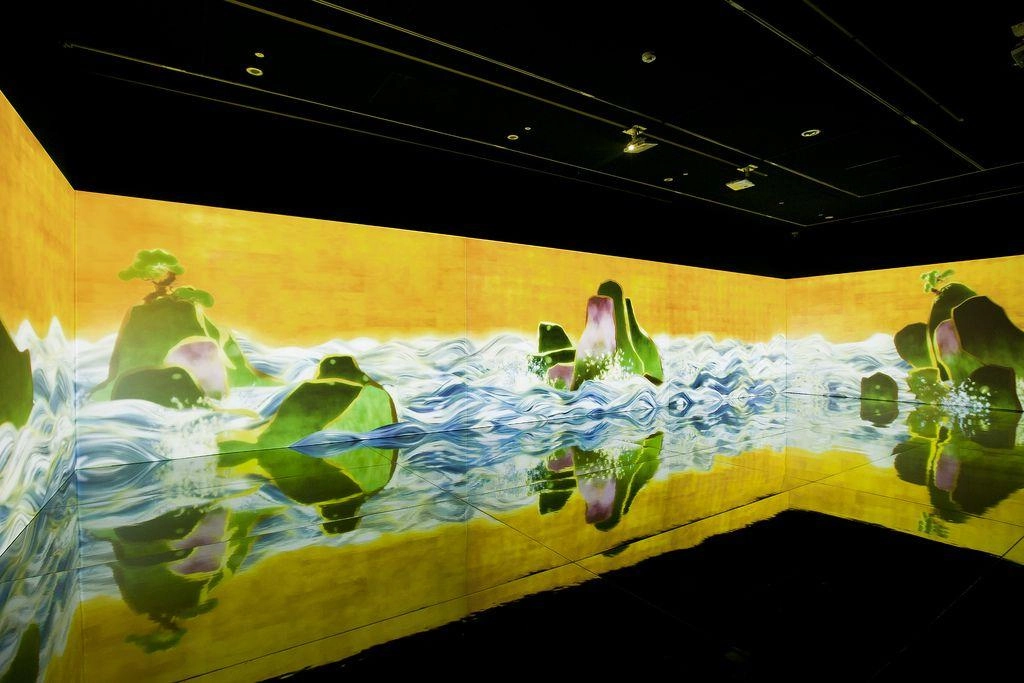
100 Years Sea [running time: 100 years]

100 Years Sea is a video work with a running time of 100 years. The work is based on the World Wide Fund for Nature (WWF)’s prediction in 2009 that sea levels will continue to rise by a maximum of 120cm by the end of the century. Beginning in 2009, the sea level in this work rises over the course of a hundred years until 2109.From the moment of this artwork’s creation in 2009, a world parallel with the actual sea is born. When looking at the artwork 100 years from its beginning, what will be the state of the actual sea? Will the rise in sea levels be more serious than the WWF predicted? Or will the sea levels be lower? The sea in this work continues to rise as we head toward that inevitable time. 
In classical East Asian art, waves are often expressed using a combination of lines. These waves created by lines allow us to realize that each wave is one part of a larger flow, and conveys life as though the waves are a living entity. 
When the waves rise, we can feel a powerful breath of life, as though life is blooming. It feels as though each wave has a life of its own. But when the waves collapse and disappear, we realize, with a sense of fragility, that they were a part of the ocean. And that ocean is connected to all of the other oceans. In other words, all of the waves in the world are connected to each other.The waves seem alive because life is like a rising wave. It is a miraculous phenomenon that continuously emerges from a single, continuous ocean.

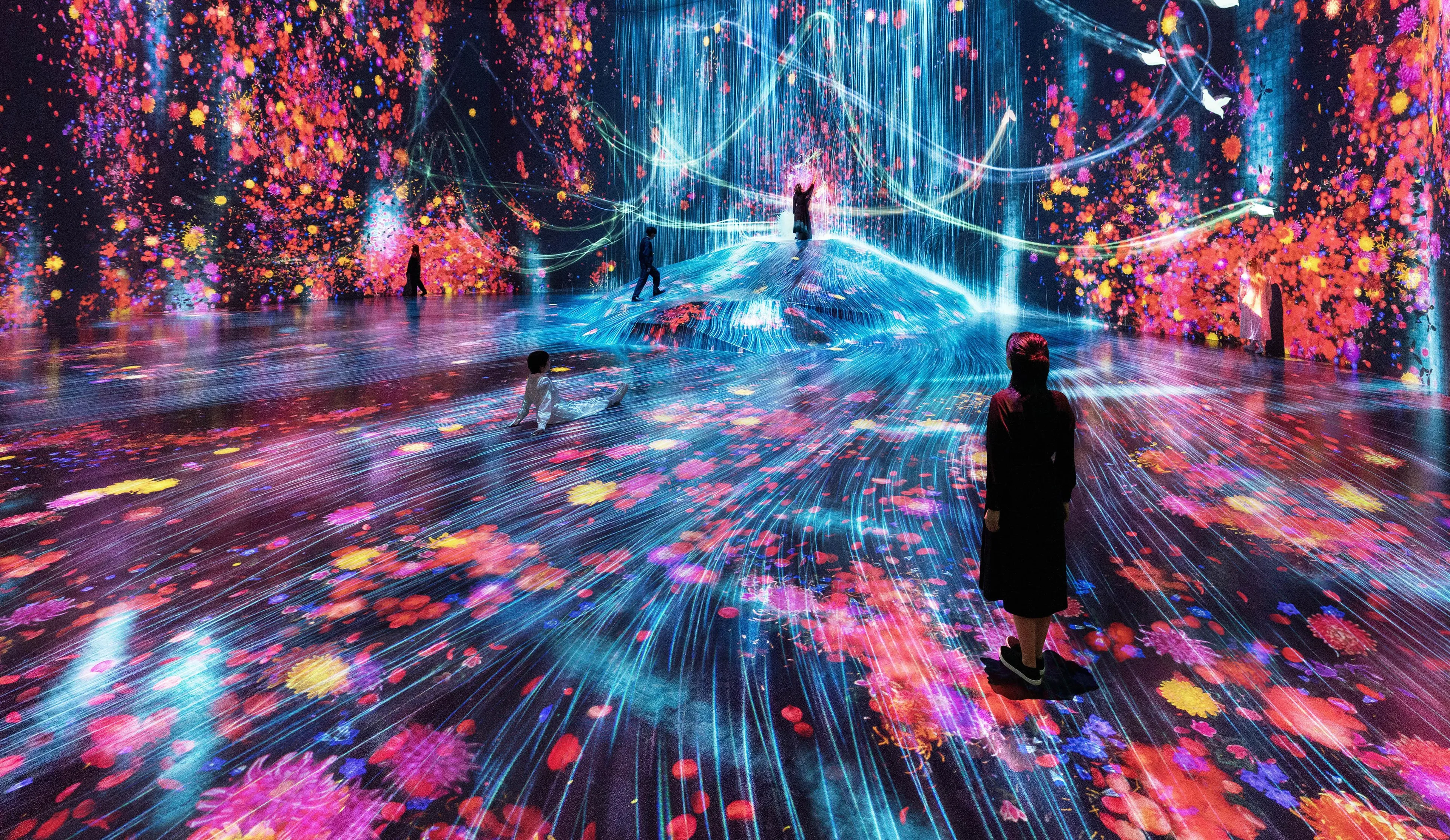
Flowers and People, Cannot be Controlled but Live Together

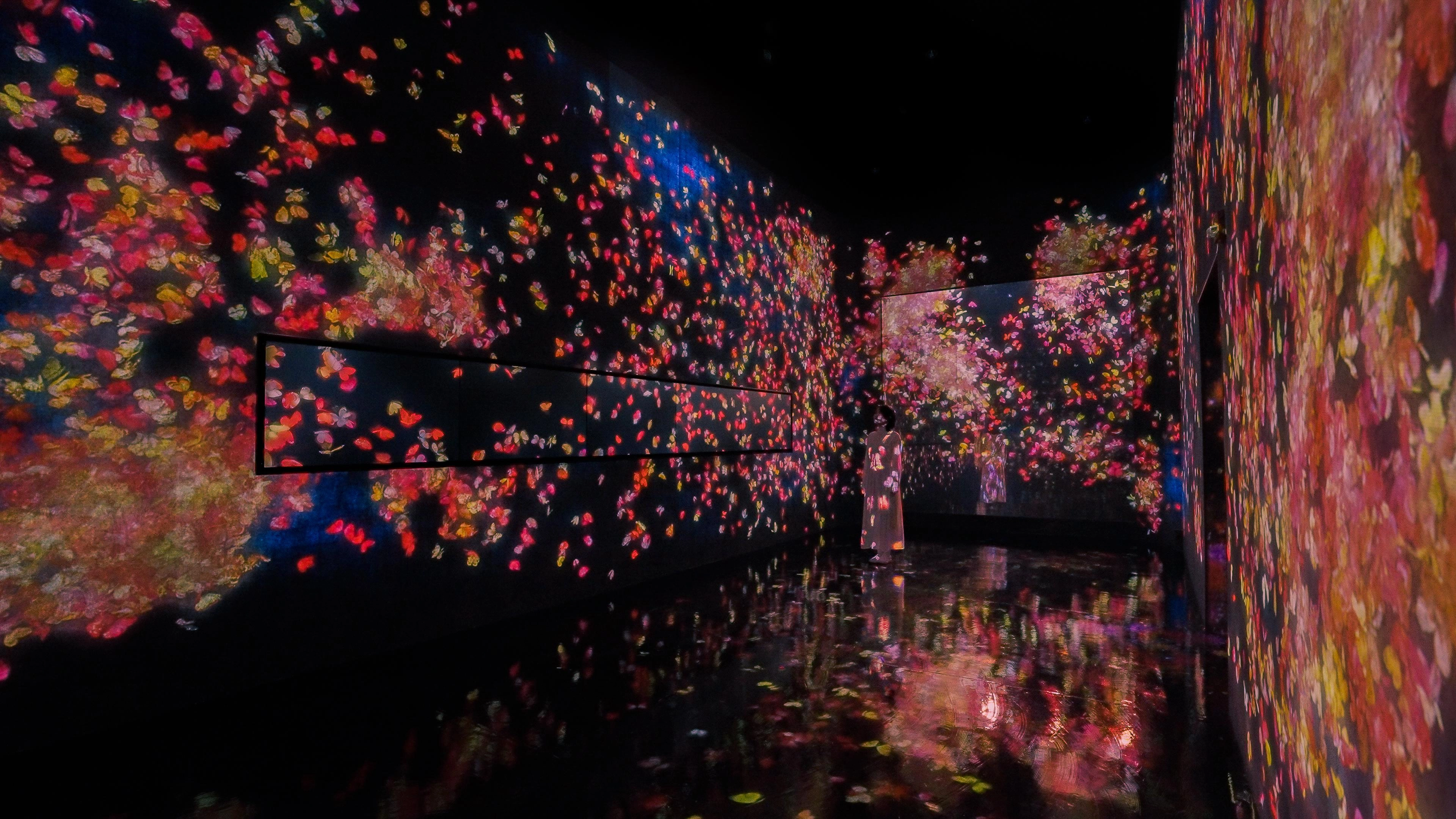
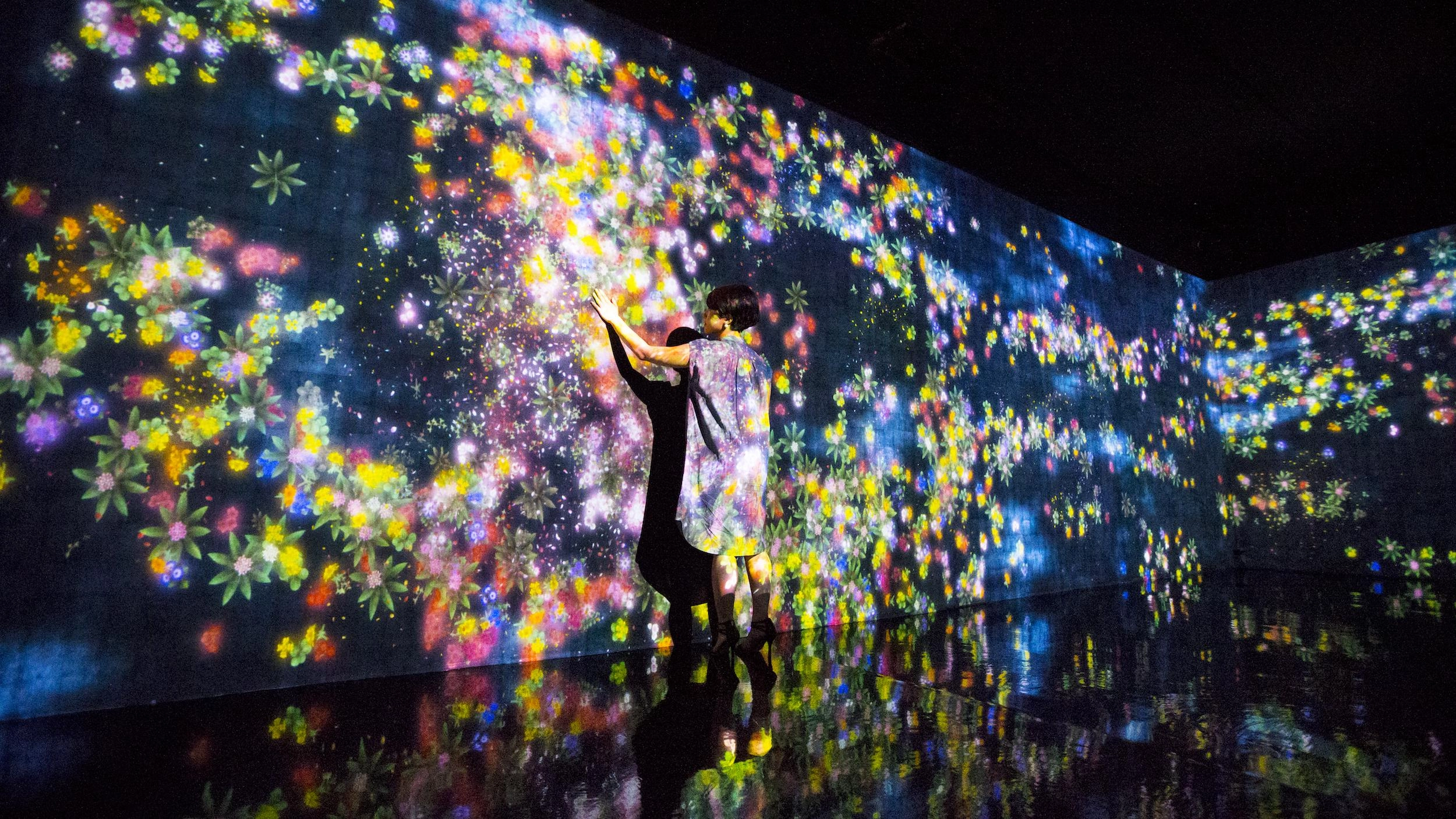
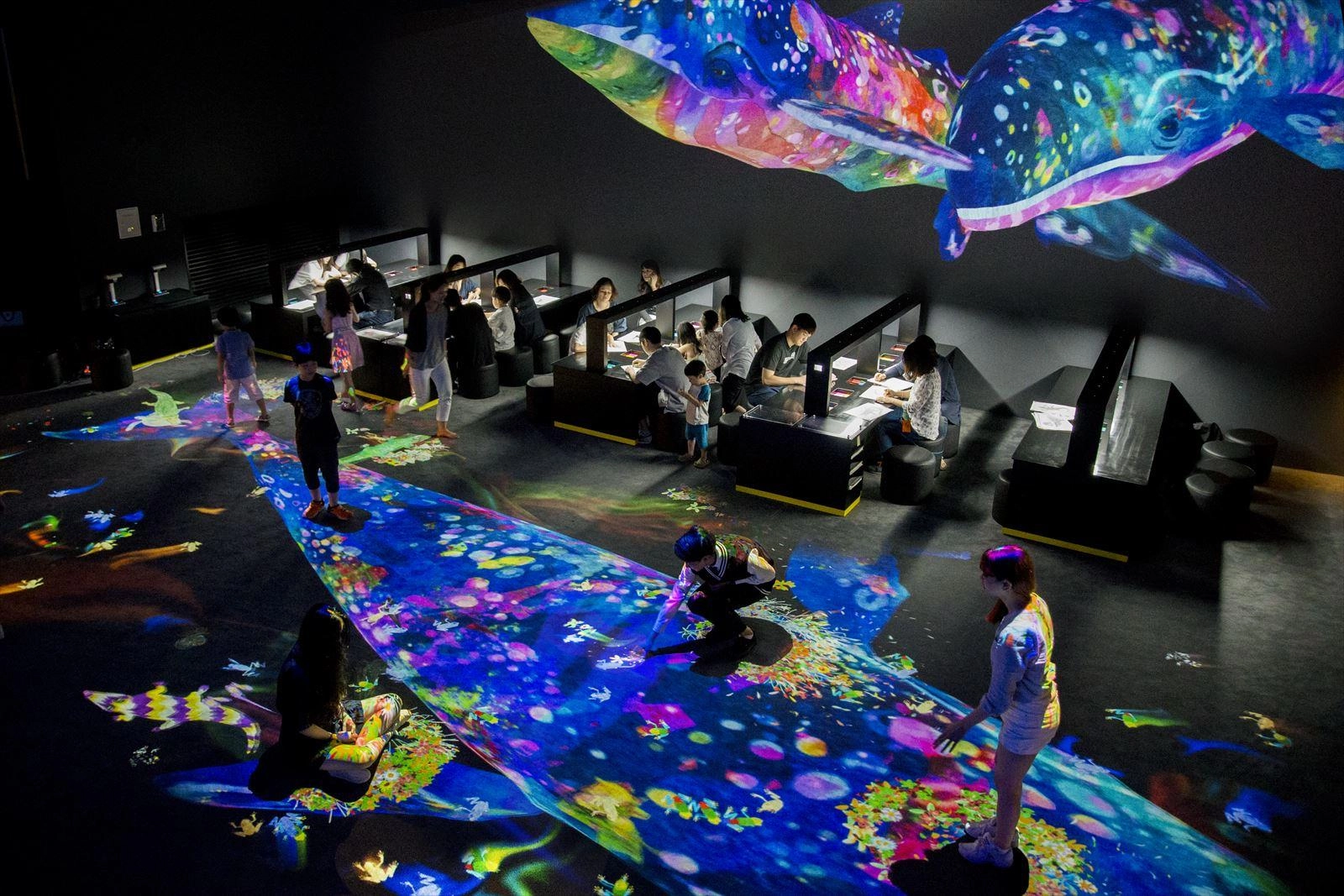
Flowers bud, bloom, and in the course of time, wither and die. While eternally repeating the process of life and death, the places where they grow change gradually. When people stand still, the flowers surrounding them grow and bloom abundantly, but when people touch the flowers or walk around, they scatter and die all at once.The artwork is not a pre-recorded image that is played back; it continues to be rendered in real time under the influence of people's behavior. The picture at this moment can never be seen again.
In spring in the Kunisaki Peninsula, there are many cherry blossoms in the mountains and canola blossoms at their base. A visit to this region led teamLab to wonder how many of these flowers were planted by people and how many of them were native to the environment. It was a place overflowing with flowers, a place of great serenity and contentment. This nature is an ecosystem influenced by human activity, making us feel that nature and humanity are not in conflict. Perhaps a truly comforting nature is one that encompasses human presence as part of the ecosystem. Based on the premise that nature cannot be completely controlled, this artwork explores human activity that lives closely aligned to the rules of nature.
This artwork is an ecological pictorial space drawn through Ultrasubjective Space, which continues to be generated along with the body, others, time, and the environment. Viewers physically walk around and touch inside the world of the artwork, transforming it together with others in the same space.
This pictorial space differs from images or paintings flattened by a lens or single-point perspective. In such images or paintings, space appears behind the picture plane; the space that opens there and the space the viewer inhabits are split, and the picture plane becomes a boundary surface. The viewpoint is fixed at a single point, and bodily freedom is lost.On the other hand, a picture plane formed by Ultrasubjective Space is not a boundary that separates where we are from the world of the artwork. The world of the artwork is not outside a window; it appears as a single field that is continuously connected, without boundary, to the space in which the viewer’s body exists. Moreover, any position — front, back, left, or right — can become a viewpoint, so viewpoints exist in infinite number, and the viewer is physically free to move.Not bound to a single point, the viewer moves their body and lets their eyes roam freely, continually re-composing the world of the artwork as it changes over time, and building the pictorial space within themselves. In that moment, the artwork becomes a centerless, subjective, and embodied pictorial space in which the viewer walks and touches.
In this space, the boundaries between the viewer and the artwork become ambiguous. The artwork transforms simply by the presence of a body there, and the behavior of others also changes the world of the artwork. In conventional art, other people were often considered an obstacle that interferes with a one-on-one relationship with the artwork. However, here, the presence of others enriches and creates new changes in the artwork.
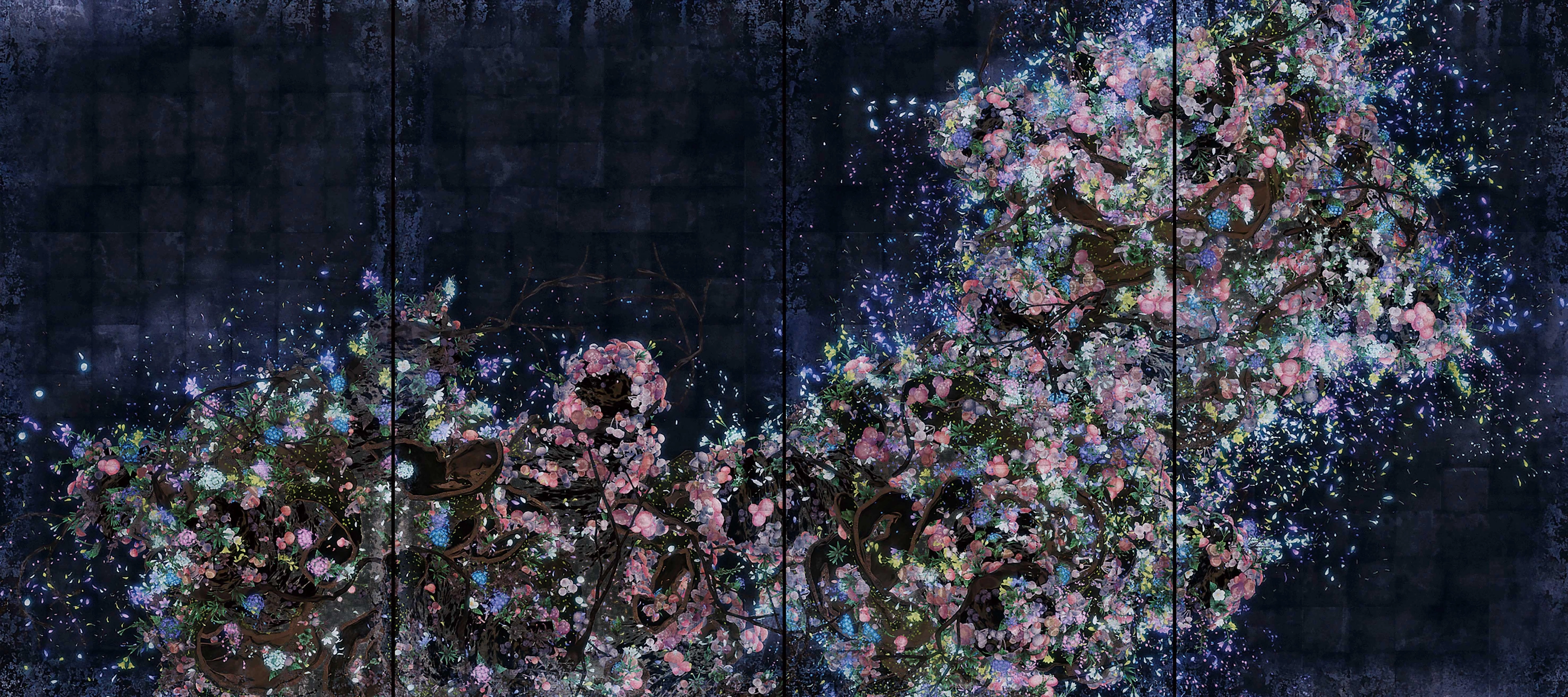
This artwork is an attempt to expand painting from a world on the other side of the screen into a space continuous with the body, others, time, and the environment. The artwork continues to be generated within the relationships among the behavior of people, the life and death of flowers, the passage of time, and the entire space. Here, the painting does not exist on its own as a completed entity; it relates to people's bodies and includes the presence of others, existing as an ecological field without boundaries.
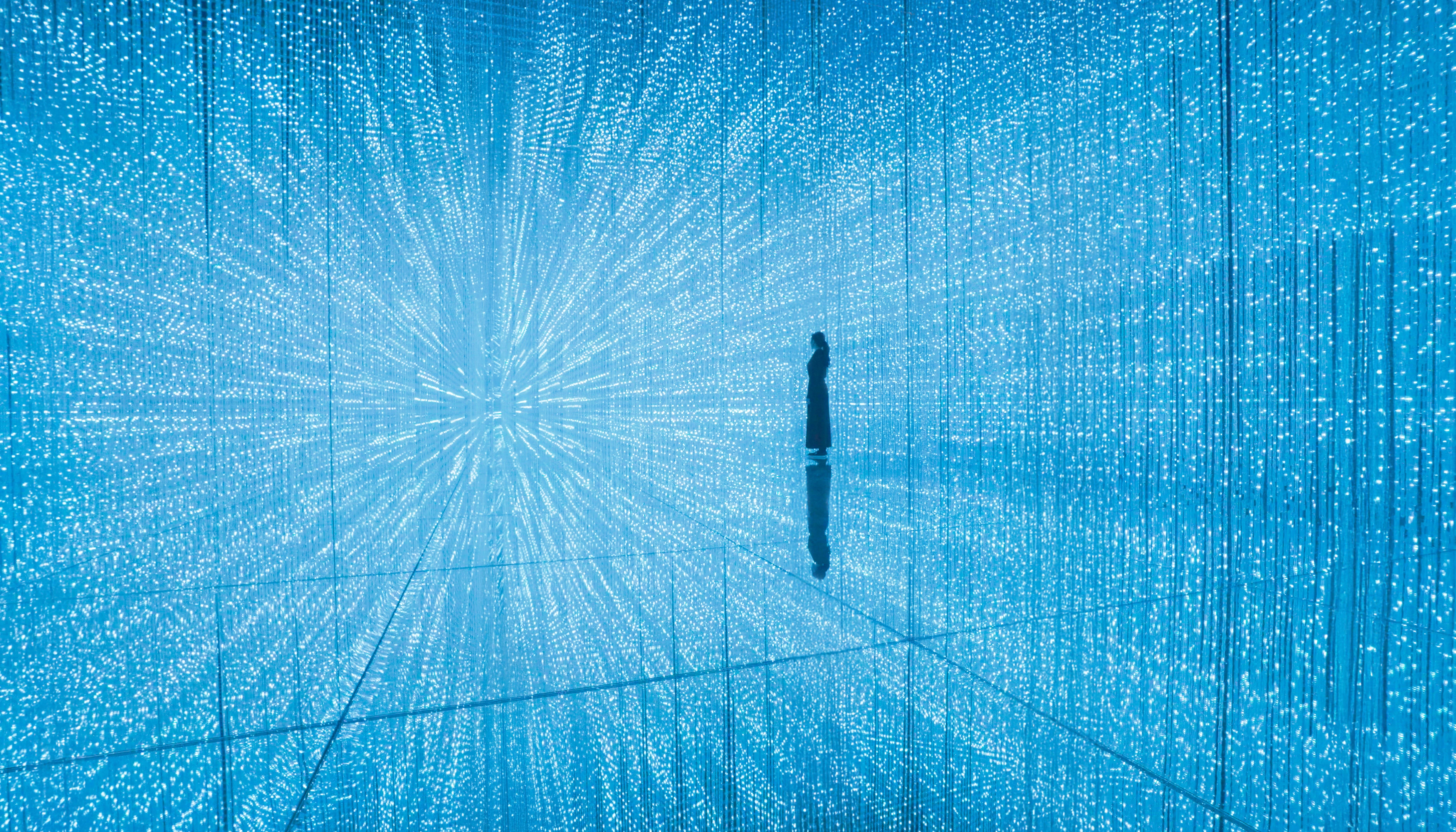
Learn & Play! Future Park

Su teamLab
teamLab (f. 2001) is an international art collective that seeks to navigate the confluence of art, science, technology, and the natural world. Through art, the interdisciplinary group of specialists, including artists, programmers, engineers, CG animators, mathematicians, and architects, aims to explore the relationship between the self and the world, and new forms of perception. In order to understand the world around them, people separate it into independent entities with perceived boundaries between them. teamLab seeks to transcend these boundaries in our perceptions of the world, of the relationship between the self and the world, and of the continuity of time. Everything exists in a long, fragile yet miraculous, borderless continuity. teamLab’s works are in the permanent collection of the National Gallery of Victoria, Melbourne; Art Gallery of New South Wales, Sydney; Art Gallery of South Australia, Adelaide; National Gallery of Australia, Canberra; Amos Rex, Helsinki; Museum of Contemporary Art, Los Angeles; Asian Art Museum, San Francisco; Borusan Contemporary Art Collection, Istanbul; and Asia Society Museum, New York, among others. teamlab.art Biographical Documents

Informazioni sulla Sede

teamLab World: Dance! Art Museum, Learn & Play! Future Park

Durata

2016.8.05(Fri) - 2017.8.31(Thu)

Chiuso

Exhibition Hours
10:00 AM - 9:00 PM
Ticket Booth Hours
9:30 AM - 8:00 PM

Tassa di Ammissione

General
Children (2 to 12): ₩24,000
Teenagers & Adults (13 to 64): ₩20,000
Seniors (over 64), Veterans, Guests with disabilities: ₩12,000

Lotte World
Season/Annual Pass Holders: ₩16,000

*For a group of 20 people or more, please make a reservation in advance.

Accesso

Sede

Lotte World
240 Olympic-ro, Songpa-gu, Seoul, Korea
Notes
Facilities
Multi-purpose Restroom
-For those who use wheelchair or bring children, teamLab★World offers a multi-purpose restroom. (One in the building, one outside of the building)
-There are baby tables in every restroom of each floor.

Visitor with Disability
-teamLab★World offers a priority access for people with disabilities.
-Disabled Status Identification Card necessary (not transferable)
-A person with disabilities can enter with one accompanying person.
-Please follow the instruction of our staffs for the safety.

Visitor Policies
Please follow these policies in teamLab★World.
-Photo-taking for commercial use without permission is not allowed.
-Camera Flash is prohibited.
-Please be careful with selfie-stick.
-Smoking is prohibited in all teamLab★World facilities.
-Re-entry is not allowed.
-Food and drinks are not permitted in teamLab★World.
-Strollers must be checked in at the stroller-check institute near entrance.
-Pets (except service animals) are not permitted in teamLab★World.
-teamLab★World is not responsible for accidents or injuries caused by visitor’s negligence.
-The exhibition requires a dark space for artworks. Please be careful in the dark space.

Gli Organizzatore

teamLab, Panaworks